
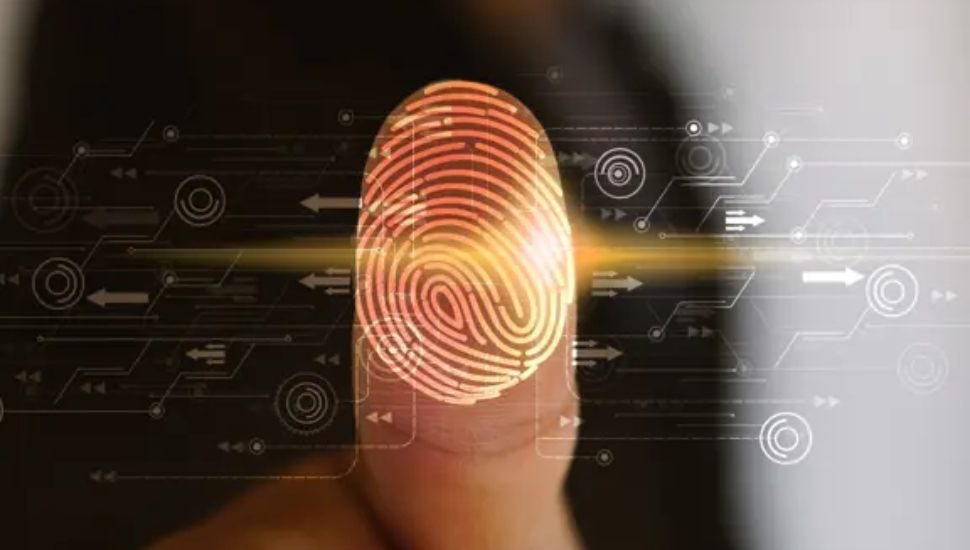

Protecting your identity is more important than ever in today’s digital world. When fraudsters steal personal information, the consequences can be serious — including financial loss, credit card debt, compromised health insurance, and even legal trouble. First Bank breaks down what identity theft is, the risks involved, and practical steps anyone can take to stay protected.
Understanding Identity Theft
Identity theft happens when someone unlawfully uses another person’s personal information — such as a name, Social Security number, or financial details. Armed with that information, thieves can access bank accounts, open new charge accounts or loans in someone else’s name, make unauthorized purchases with a credit card, or even attempt to assume an identity to evade the law.
Potential Consequences
Identity thieves can wreak havoc by wiping out accounts, plunging victims into credit card debt, depleting health insurance benefits, or entangling them in legal issues. Resolving the damage can take months or even years.
Tip 1: Secure Your Mail
Most people know the risks that come with going online, but a physical mailbox can be just as vulnerable.
Shred any documents containing personal information that identity thieves might exploit, including receipts, financial and medical statements, cleared checks, credit offers, and expired charge cards. Minimize mail theft by using U.S. Postal Service collection boxes or visiting the post office directly to send letters. Retrieve mail promptly after delivery, and consider having it held at the post office when away for an extended period. A secure, lockable mailbox is also worth considering.
Tip 2: Share Information Safely
In a world where sharing information is common, prioritizing safety is essential.
When providing information online or over the phone, it’s important to know exactly who is on the receiving end. Personal data should only be shared when contact was initiated, and the recipient’s identity is certain. If unsolicited contact arrives (by phone, email, or website), no sensitive information should be disclosed. Instead, offer to call back using a known, legitimate number.
It’s also wise to exercise caution online and avoid clicking on unfamiliar links, particularly those related to financial, medical, or government matters, including the IRS. Social Security numbers (SSNs) deserve extra care. While some entities — such as employers, financial institutions, medical insurers, and the IRS — may legitimately request an SSN, it’s always reasonable to ask whether providing it is necessary or whether an alternative identifier can be used.
Tip 3: Consider a Credit Freeze
A credit freeze restricts access to a credit report, making it significantly harder for identity thieves to open accounts in someone else’s name. Key points to know: credit freezes are free of charge; the freeze must be placed separately with each of the three national credit bureaus; credit scores are not affected; free annual credit reports remain accessible; and the freeze can be temporarily or permanently lifted for specific inquiries or a set duration. Existing creditors and government agencies responding to court orders can still access the report.
Recognizing Signs of Identity Theft
Knowing the warning signs of identity theft makes it possible to act quickly. Red flags include unfamiliar withdrawals on bank statements, suspicious charges on a credit or debit card, missing bills or expected mail, rejected checks, statements from unfamiliar credit cards, unwarranted calls from debt collectors, notifications of data breaches, unexpected credit or loan application denials, unsolicited requests for personal information, fraudulent tax returns filed in someone else’s name, bills for medical services never received, and accounts appearing on a credit report that were never opened.
If a wallet, Social Security number, or other personal information is lost or stolen, acting quickly is critical. IdentityTheft.gov — a comprehensive resource provided by the federal government — is the place to report the incident and begin the recovery process.
Fraud prevention starts with awareness, and First Bank is committed to helping customers stay informed and protected. Explore the Security Resources section at First Bank for expert guidance, fraud alerts, and security tips, or visit a branch to speak with a member of the First Bank team.