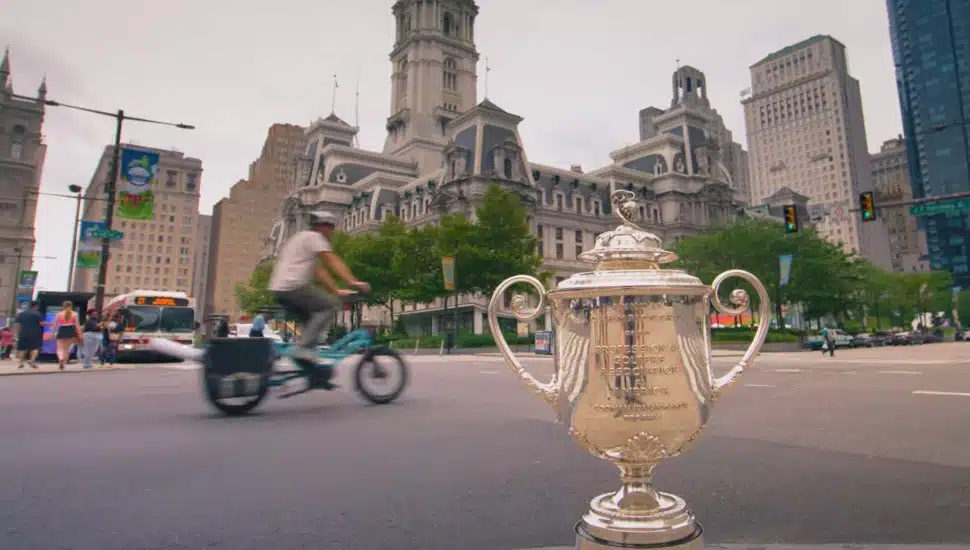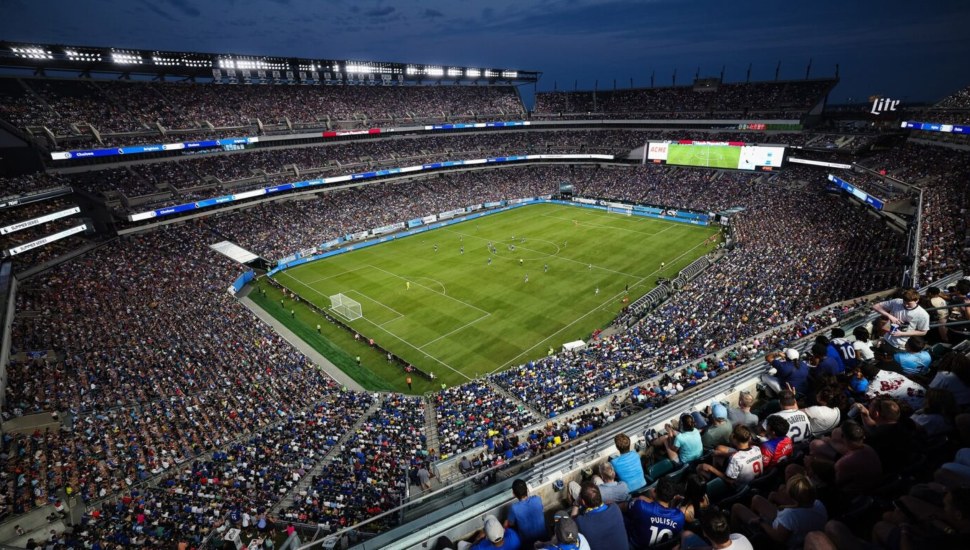

The 2026 FIFA World Cup is coming to the Philadelphia region, and for Chester, it could mean a rare moment in the global spotlight. But whether that spotlight translates into lasting change is a question locals have heard before.
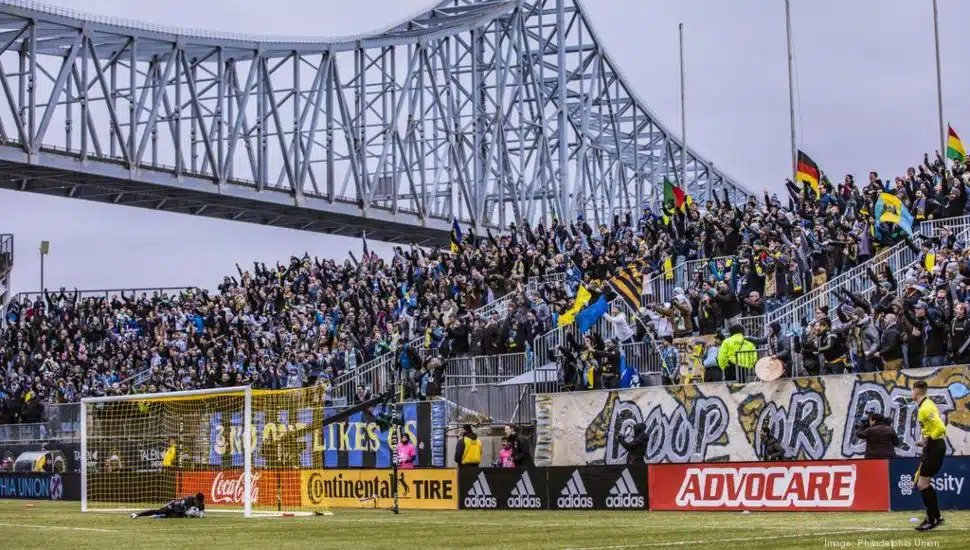
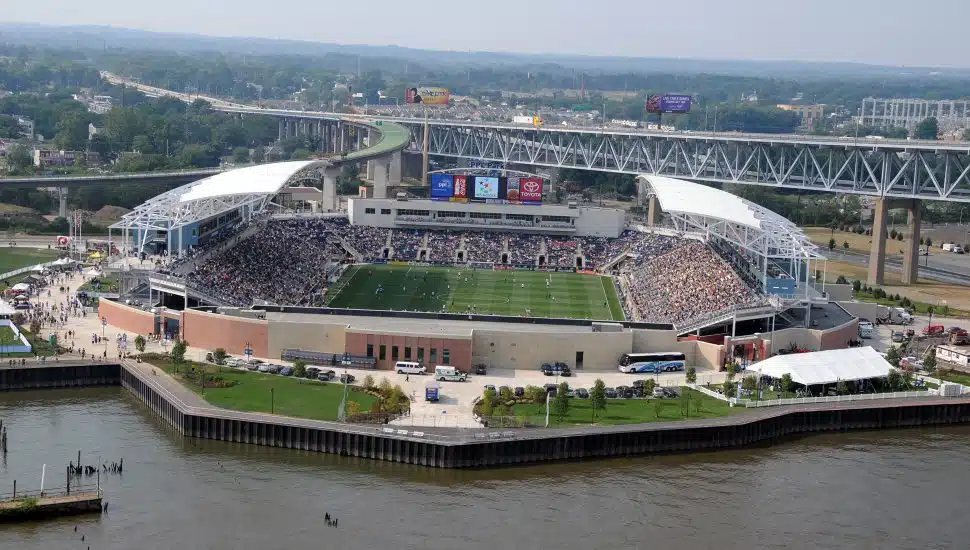
As Lincoln Financial Field prepares to host World Cup matches next month, the Philadelphia Union is planning watch parties at Subaru Park, and the Ivory Coast national team has chosen the Union’s facilities as its official training base.
For a city that has struggled economically for decades, the attention is welcome, if measured with caution, reports Anthony R. Wood from The Philadelphia Inquirer.
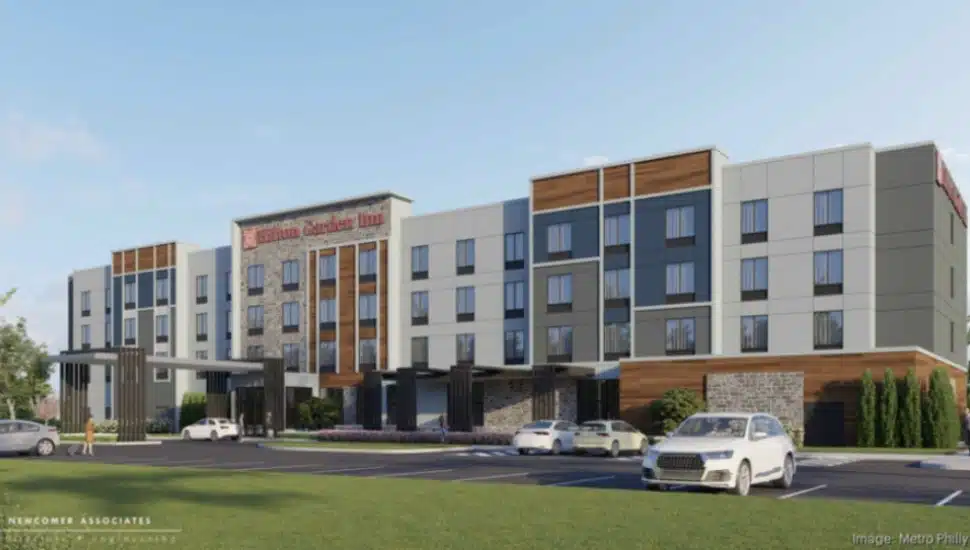
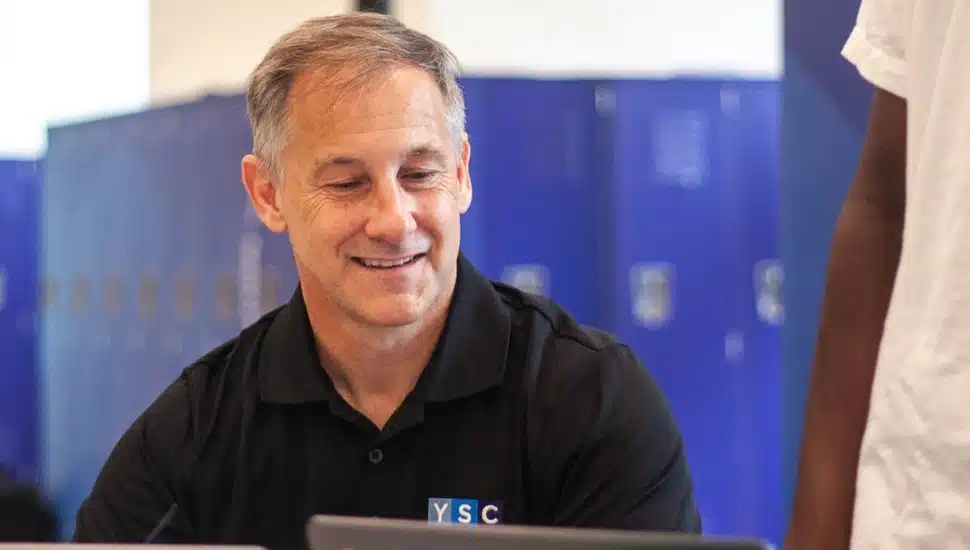
Union president Tim McDermott sees reason for optimism. He hopes the continued growth of the adjacent WSFS Sportsplex, combined with World Cup exposure, could finally attract the restaurants, hotels, and retail development that the Chester waterfront has lacked.
“The hope is that developers start to lean in and explore and figure out … this can be a spot where I can do something pretty big here,” said McDermott.
But Chester’s challenges run deep. The city remains in bankruptcy, with nearly 30 percent of households living in poverty and a municipal budget heavily dependent on revenue from Harrah’s Philadelphia Casino and the Covanta incinerator plant.
Subaru Park generates up to $1.5 million annually in fees for the city and has raised Chester’s national profile, yet economists and residents agree it has not meaningfully transformed the surrounding neighborhoods.
For many who live near the stadium, game days bring traffic and frustration, but little else. Fans tend to stay within the waterfront complex and leave quickly when the final whistle blows.
“When the game is over, it’s like a bomb dropped,” said Adelaide Evans, who lives near the stadium. “They’re flying through here like they’re just trying to get out. I’m saying to myself, ‘If you’re flying that fast to get out, why did you come in?’”
Not everyone is dismissive. Some residents point to quieter gains, like greater awareness of Chester and expanded youth sports opportunities made possible through the Union and the Sportsplex, as signs that the waterfront is slowly making a difference.
For the full story on Chester’s complicated relationship with its waterfront, the World Cup spotlight, and what residents and leaders really think about the city’s future, head over to The Philadelphia Inquirer.
________