
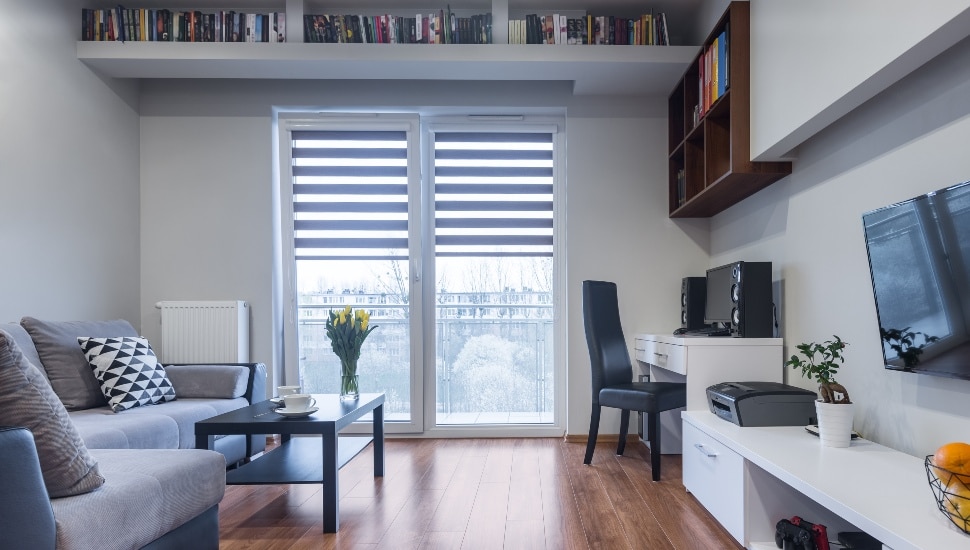
While micro-housing started out as a solution for factory works and newcomers to a big city, it has since become a trend for many others.
The trend has been primarily a West Coast one, but it has started moving elsewhere throughout the country, such as the Northeast, where Philadelphia leads the charge, writes Andrei Popa for StorageCafe.
In Philadelphia, micro-housing accounts for about 6.8 percent of the city’s rental properties. Meanwhile, another 6.5 percent of micro-units are currently under construction.
The maximum size of a Philly micro-unit is about 423 square feet with an average rent of about $1,358.
With the average rent for a conventional unit at about $2,004, that’s about a 48 percent difference.
While the lower cost is a nice reprieve, it isn’t the only one.
For some, it’s simply a shift toward a more sustainable and minimalistic way of a life.
Location-wise, many micro-apartments are closer to transit-friendly spots and essential services.
Nationwide, seven of the top 10 cities with the highest share of micro-housing are in the West Coast.
San Francisco leads the way, with Seattle, Honolulu, and Portland following behind.
Read more about how micro-housing has evolved and where it’s growing the most at StorageCafe.
_____