
Boeing’s Ridley rotorcraft plant faces a tough decade ahead as two of its key programs lose military funding, writes Loren Thompson for Forbes.com.
The plant employs 4,600 employees and is the largest industrial employer in the Philadelphia region.
It also spends $500 million annually for parts and services from 473 suppliers in Pennsylvania.
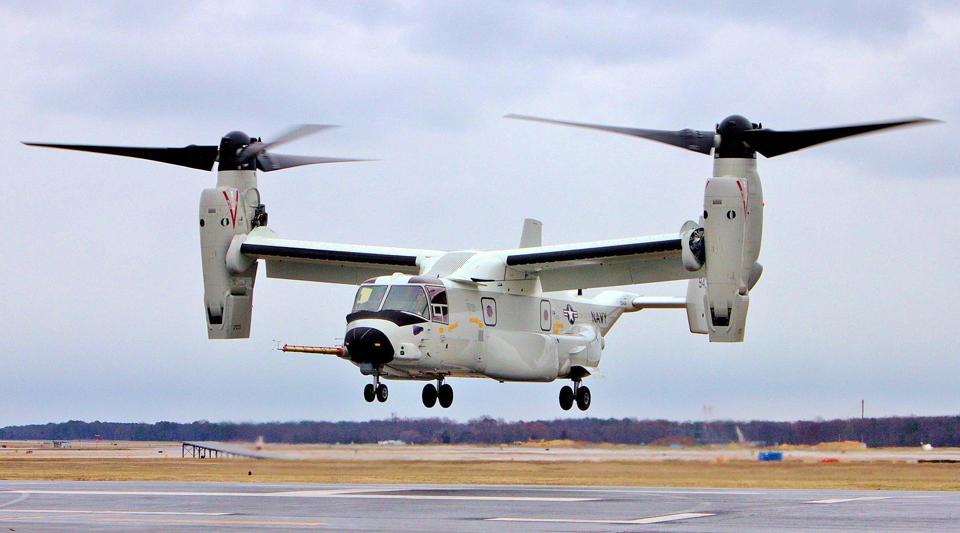
The V-22 Osprey tilt-rotor is nearing the end of its production run. Boeing built its fuselages at the plant over the last 20 years. Work on the V-22 will decline rapidly after 2023.
Boeing had hoped for 20 years of work on a “Block II” upgrade of the Army’s CH-47 Chinook helicopter, but Army leaders instead want to invest in two new rotorcraft.
Boeing is competing to build one of those new rotorcraft. It’s also looking for international customers for the Osprey and Chinook.
Presidential politics could also have an influence on the plant’s future. Pennsylvania’s a swing state in the election.
Right now, Democrats, who currently dominate the local congressional delegation, are making Boeing workers a priority. Joining with local Republicans, they’ve successfully thrown work over to Boeing on an airframe built elsewhere in the region.
Read more about Boeing’s future for the Ridley plant here.
You Might Also Like
Boeing’s Ridley Plant Workers to Benefit From New Chinook Helicopter Contract
Boeing’s Ridley Plant Part of the Political Landscape of Military Spending in a Swing State
Congressional Action Restores $28 million for Army Chinook Work at Boeing Ridley Plant