

It’s been a year since KJ, a Clifton Heights infant, received the world’s first personalized gene editing therapy to treat his rare disease.
KJ Muldoon was born with CPS1 Deficiency, a life-threatening condition that prevents his liver from processing protein. This can lead to a buildup of toxic levels of ammonia in the blood.
“You Google CPS1 Deficiency, and it’s fatality rate or liver transplant,” said KJ’s mom, Nicole Muldoon.
Scientists had been researching how to use gene editing to create customized treatments for diseases like CPS1 and thought it might work for KJ.
Doctors analyzed KJ’s genetic profile to find the mutation that prevented the breakdown of protein. They fixed the mutation by giving KJ medication laced with bits of genetic code.

The treatment, which utilized a personalized CRISPR-based gene-editing therapy, was developed by physician-scientists at Children’s Hospital of Philadelphia and Penn Medicine.
The CHOP-Penn Medicine team worked around the clock, collaborating with the National Institutes of Health, industry partners, and scientists around the world.
In six months, they had a therapy for KJ.
He received the first infusion of his therapy on Feb. 25, 2025, followed by two more treatments between February and April.
“What we saw in the first 10 days, we really could give him a lot more protein,” said Rebecca Ahrens-Nicklas, MD, PhD, physician scientist, Metabolic Disease Program, CHOP.
Ordinarily, that would be a problem, causing his ammonia levels to go up.
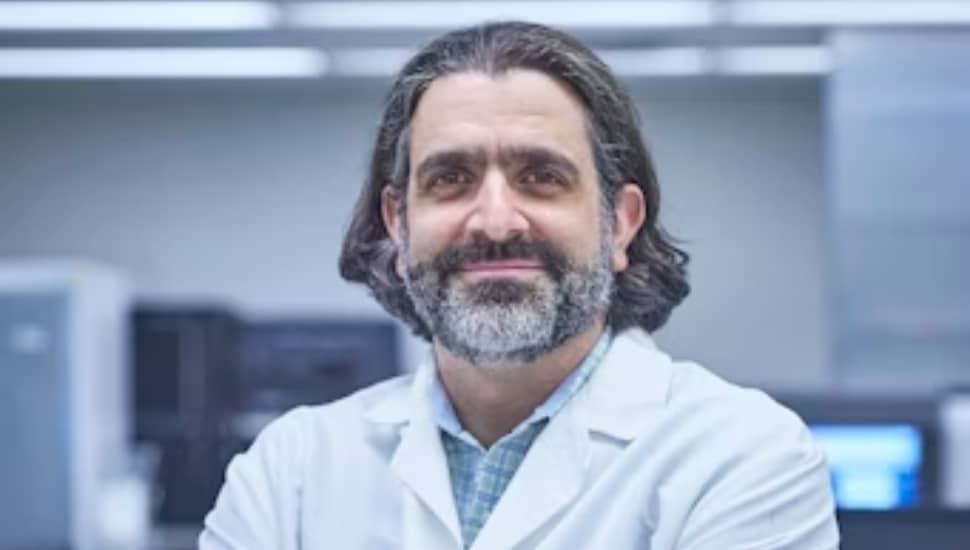
“They didn’t go up,” said Kiran Musunuru, MD, PhD, MPH, ML, co-director, Orphan Disease Center, CHOP and Penn Medicine.
KJ had no serious side effects from the treatment, was able to handle more dietary protein, required less nitrogen-scavenging medication, and there was better control of ammonia levels during colds and similar childhood illnesses.
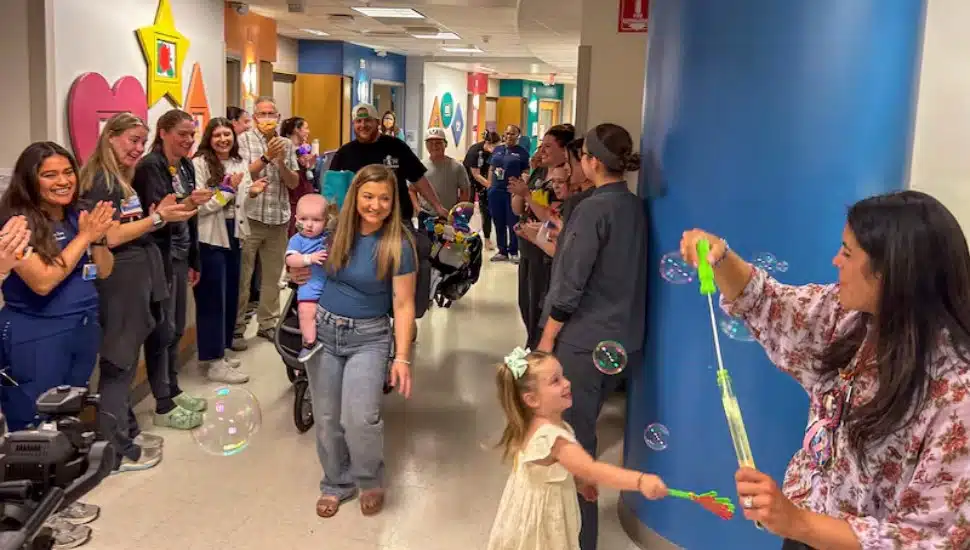
A year later, KJ is thriving.
These days, you can find him at home with his family, crawling, walking, climbing, tackling his brother and sisters, and throwing a ball halfway across the room.
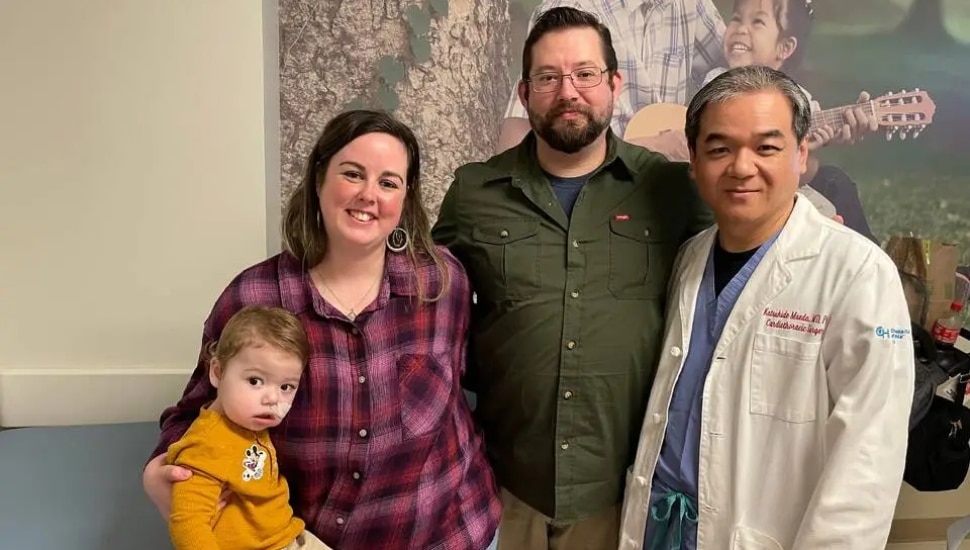
“He’s doing really well,” said his mom at a recent Capitol Hill briefing.
His treatment received international acclaim. He was honored in the Nature Science Journal as a “trailblazing baby,” making a top 10 list of people who helped shape medicine in 2025.
The case was also detailed in a study published by The New England Journal of Medicine.
The Muldoons shared KJ’s story with lawmakers in an effort to highlight the need for sustained federal funding and policies to expand access to personalized gene therapies.
“Watching KJ grow and thrive is nothing short of a miracle – we want every child and family facing a rare condition to have that same chance,” said Nicole Muldoon.
“Everybody deserves this, to see their kids grow up and achieve things,” said KJ’s dad, Kyle Muldoon.
Doctors are not calling KJ’s therapy a cure, though KJ’s health has significantly improved with the therapy.
“I think we’re not that far from a time when many, many people in the population will be receiving various types of gene editing treatments in order to live longer, better lives,” said Dr. Musunuru.
The goal is to develop and scale gene editing approaches so more children can lead healthy lives.
“We’re working in the labs, we’re traveling to DC to meet with government officials. We’re working with scientists from around the world. We’re doing whatever it takes to make sure more children have this life-changing option,” Ahrens-Nicklas said.