

In many buildings across the Philadelphia region, glass is a central part of modern design. Lobbies, storefronts, and common areas are designed to feel open, bright, and inviting. But that openness can create a challenge when organizations want to add digital messaging without blocking light or interrupting the flow of a space.
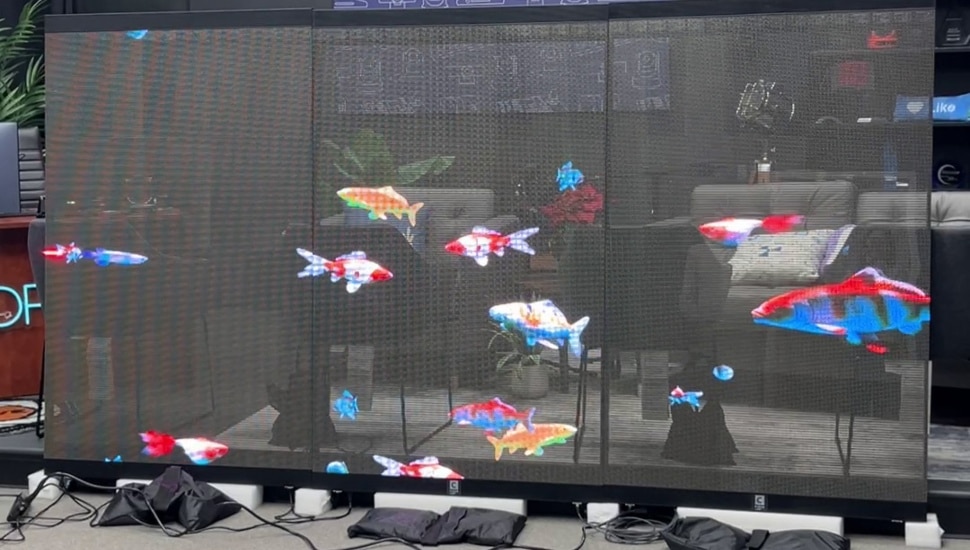
That was the problem that Haverford Systems, a Downingtown-based audiovisual integrator, aimed to solve. It put a transparent LED video wall to the test — a display designed to deliver bold visuals on one side while being see-through from the other side.
Unlike traditional video walls, transparent LED displays allow light to pass through and preserve visibility. From one direction, viewers see high-impact visuals ideal for promotions, brand storytelling, and timely messaging. From the opposite side, the display appears like a mesh. In many cases, you can’t even tell it’s turned on. It’s lightweight, modular, and can blend seamlessly with the environment.
“These displays change the way people think about digital signage,” said R.T. Chalfant, a Senior Account Manager at Haverford Systems. “You can add engaging content without interfering with the architectural design of the space.”
High Impact Without Obstruction
Transparent video walls are especially well-suited for glass-heavy environments and open areas where traditional displays would feel intrusive. They’re gaining popularity in corporate offices, banks, retail stores, car dealerships, and other high-traffic customer spaces where it’s key to capture attention without blocking space.
These displays create a more natural experience for people moving through an environment. And with content that can be easily updated, organizations can keep messaging fresh without replacing hardware.
“There’s a misconception that this kind of technology is complex or out of reach,” Chalfant said. “In reality, it delivers dynamic visuals at a lower cost than many people expect for something so new and innovative.”
Why Testing Matters
Before the display got installed, Haverford Systems brought the transparent video wall into its own workspace for hands-on testing. That step, often overlooked by other integrators, proved to be essential.
During testing, the team identified a minor pixelation issue, a small red line that appeared in certain conditions. Working directly with the manufacturer, they were able to address it before the display even reached its final destination.
“Testing in-house allows us to catch those details early,” Chalfant said. “This means there are fewer surprises when our technicians are on-site.”
The in-office setup also allowed the client to preview real content on the display, offering a clear picture of how their messaging would appear on-screen. Seeing the visuals in action helped reinforce how impactful and surprisingly subtle the technology could be.
Technology That Enhances, Not Overpowers
As digital displays become more common, the challenge isn’t just adding screens; it’s integrating them thoughtfully. Transparent video walls represent a shift toward technology that works with a space rather than competing with it.
For Haverford Systems, projects like this highlight the value of experience and process. From selecting the right technology to testing it thoroughly before installation, the focus remains on delivering solutions that feel seamless, intentional, and future-ready.
Sometimes, the best technology is the kind that makes people stop and look, without ever feeling like it got in the way.