
Surreal.
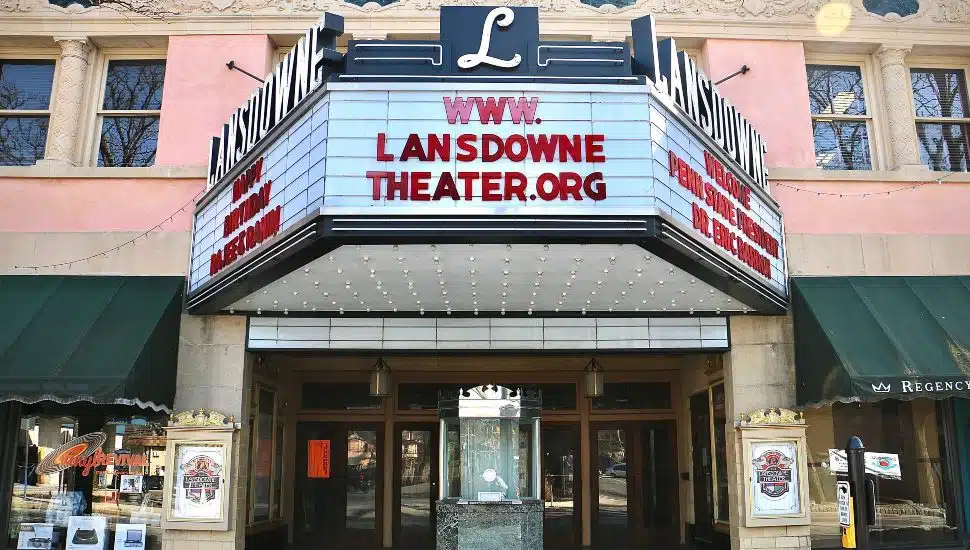
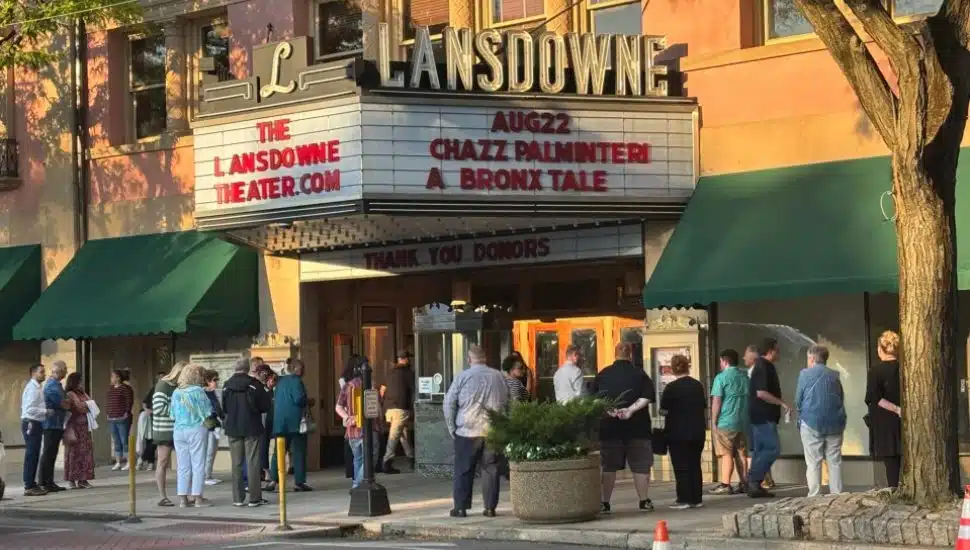
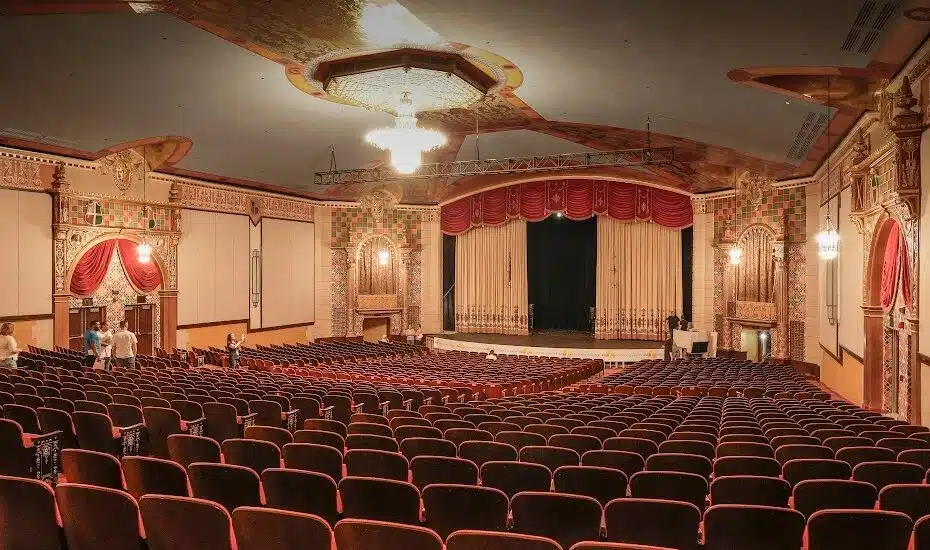
That’s how Matt Schultz described seeing the Lansdowne Theater open to the public Friday, Aug. 22, after 40 years.
“Public response has been overwhelming,” he said. “I think it’s something all of Lansdowne can be proud of.”
Schultz has been a driving force behind decades of effort to bring the Lansdowne Theater back to life, not as a movie theater, but as a live concert venue.

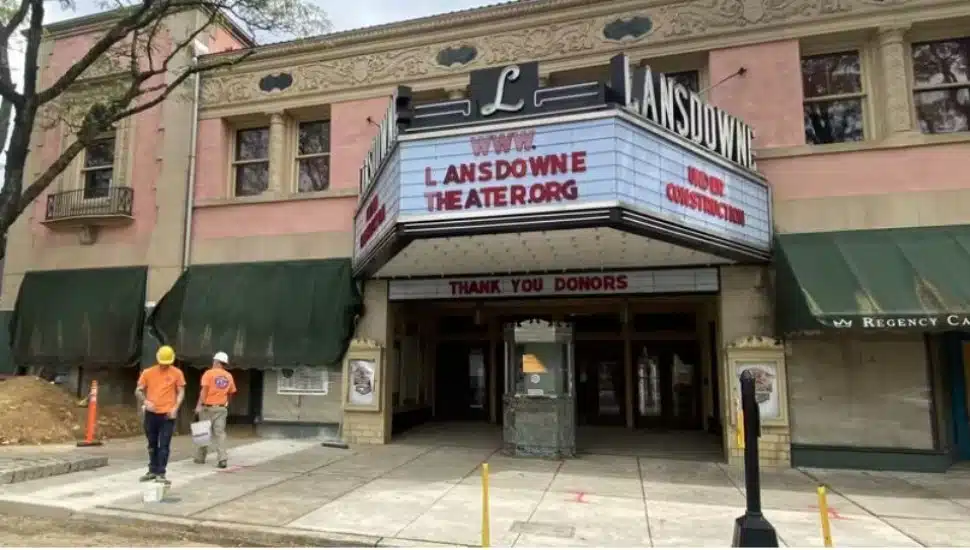
He formed the nonprofit Historic Lansdowne Theater Corporation to take on the task of restoring the 1920s theater to its former glory. The HLTC rallied government officials, conducted fundraising, worked with the private sector, and oversaw the contract work to restore the theater.
Schultz is HLTC executive director and CEO. A majority of board members are Lansdowne residents.
The corporation owns the theater building, including offices on the second floor that will also be restored. The HLTC is continuing its fundraising for that project and to pay down debt it owes on the building.
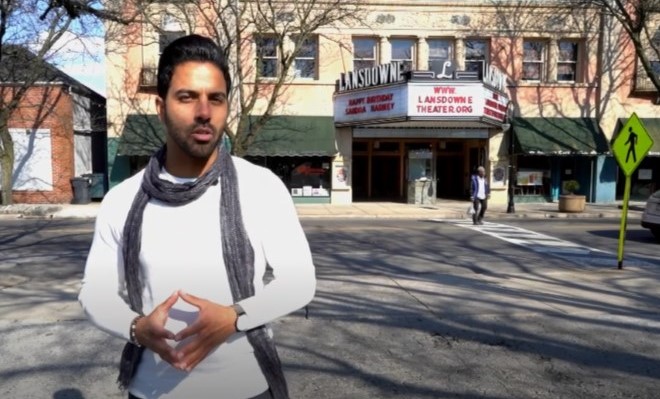
The former 1,280-seat movie theater at 31 N. Lansdowne Ave. dates back to 1927 and has been closed since 1987.
The restoration recreates a past look, but the building is energy-efficient and up to code.
Performances will focus on concerts and comedy, bringing in international and national talents for big audiences.
“The name of the game is filling all the seats,” Schultz said.
Schultz believes the venue, expected to draw 100,000 patrons a year, will attract new businesses to Lansdowne, boost existing businesses, and create jobs.
A new Lansdowne restaurant opened last month, anticipating a flow of customers when the theater reopened. The restaurant extended its hours for Friday’s debut performance, which featured a performance of Chazz Palminteri’s “A Bronx Tale.”
“Friday night, they had their best night ever,” Schultz said.
Even places outside the borough will benefit. Drexelbrook in Drexel Hill, for example, will host the performers when they come into town.
Schultz said he “never had a doubt that we would get here” when he took on the Lansdowne Theater project decades ago.
He credits the borough, county, and state politicians who worked with him on funding.
Lansdowne Council reduced permit fees. County Council, especially Dr. Monica Taylor and Elaine Schaeffer, offered county help while state representatives made grants available.
Schultz also thanked the business community and the thousands of individual donors who made the rebirth of the Lansdowne Theater possible.
“It’s a critical mass of people all rowing in the same direction,” Schultz said.