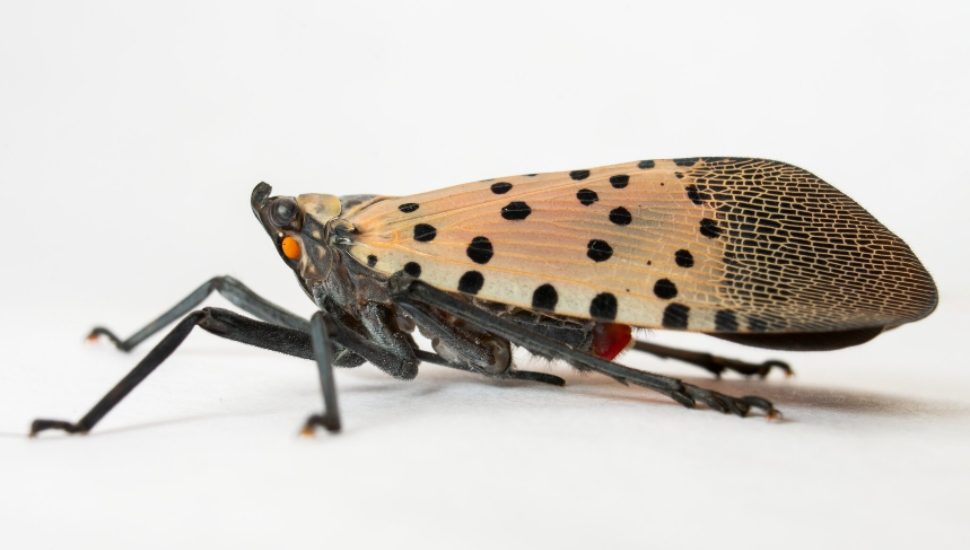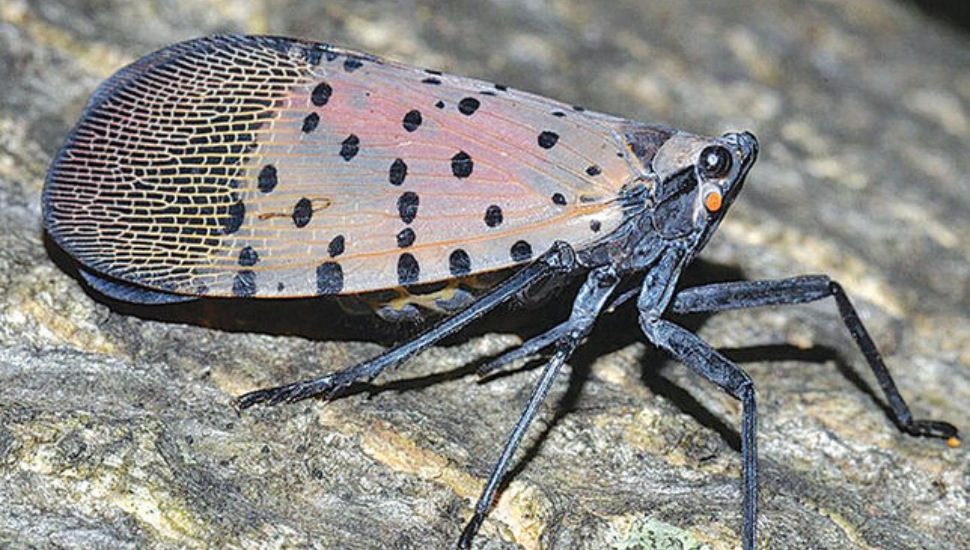

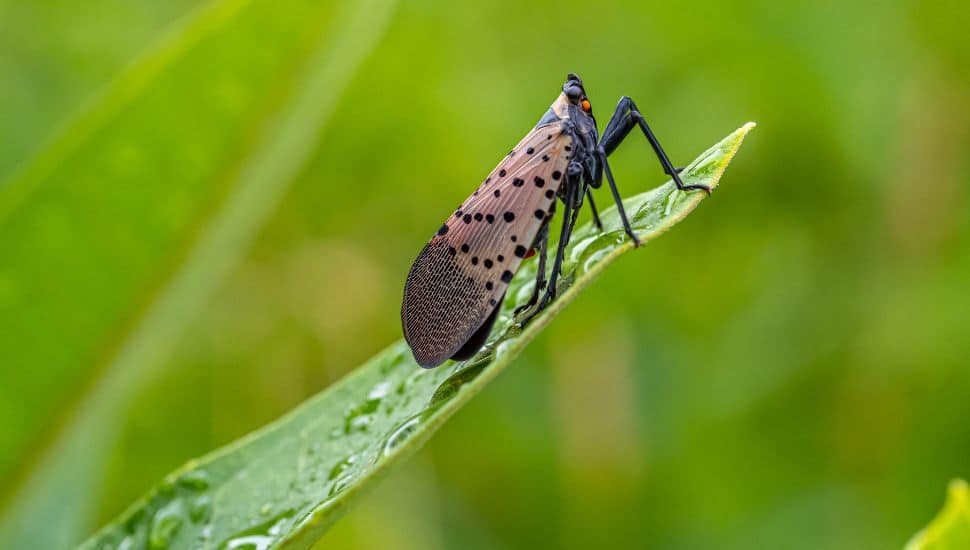
Spotted lanternfly season is here once again, and while the last few seasons have seen fewer of them, it remains important to stay vigilant and continue stomping them out, writes Susan Phillips for WHYY.
When it first arrived in Pennsylvania from Asia in 2014, scientists were worried that the invasive pest would not have any natural predators that would help curtail their numbers.
During the COVID-19 lockdowns, when many people ventured into nature, Penn State professor of entomology Kelli Hoover conducted a citizen science survey to find out if anything was actually eating the bug.
“We had almost 2000 reports of animals feeding on spotted lanternfly in nature,” said Hoover. “And it was incredible how many different species there were, and there were lots of reports of arthropods, spiders, ants, lots and lots of insects, birds, many, many, many, different types of birds were feeding on them.”
She warned that the recent decline in spotted lanternfly numbers is likely temporary, caused by their migration after exhausting their preferred food source, the tree of heaven.
She urges residents to continue scraping any egg sacs they find and to stomp the bugs when they see them.
Read more about the spotted lanternfly and how to get rid of it due to its destructive environmental impacts in WHYY.
______