


The Chester Community Clinic in Widener University’s Wollman Hall, is celebrating 15 years in its dual role as a place to serve the health needs of the Chester community while giving Widener University students an exceptional learning experience.
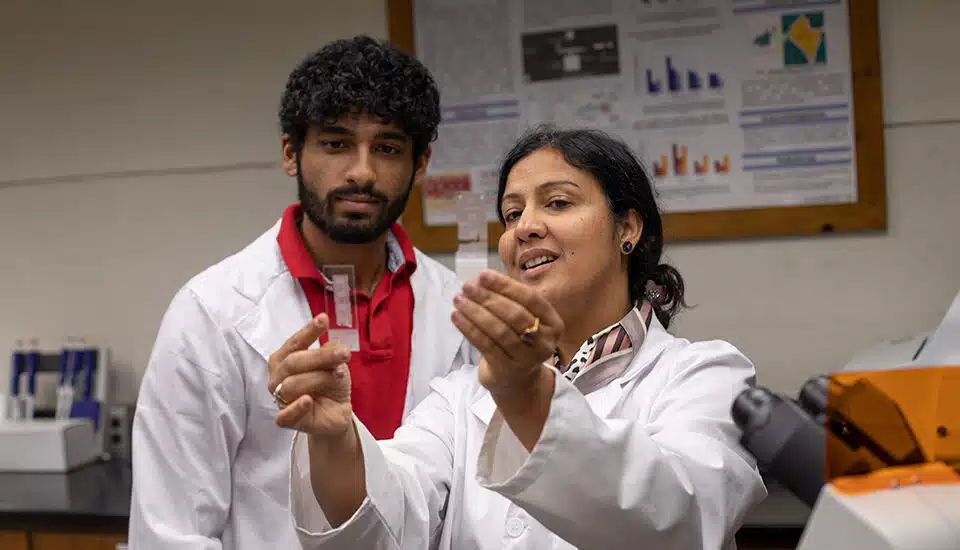
Chester Community Clinic first opened in September 2009 and has grown in size, scope, and impact, offering access to a range of healthcare services that include physical therapy, occupational therapy, speech-language pathology, social work, clinical psychology, biofeedback, and nursing.
The clinic has become an anchor in the community and a national model for student-led pro bono care and education.
It started as the Chester Community Physical Therapy Clinic, opening about a mile from campus in Balin Hall.
The clinic began after a community assessment showed local demand for pro bono services for residents without insurance, or who surpassed their insurance coverage.
Since 2009, more than 12,000 physical therapy sessions have been administered, translating to about $1.3 million in costs that would have been charged to the medical system.
Those numbers represent the value of services provided to clients who would not have had access to care.
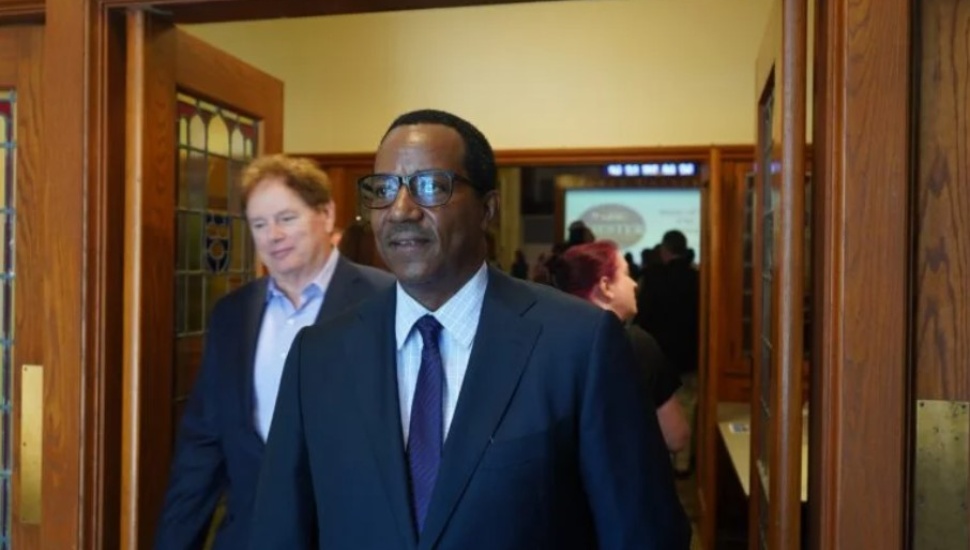
William Beachem came to the clinic in 2017 after a motorcycle accident left him with broken femurs and ankles. He needed multiple surgeries and was immobile.
A team of graduate physical therapy students, under licensed clinical supervision, led Beachem to walk again.
“I’m completely indebted to the students,” said Beachem in a 2018 interview. “Widener has been there every step of the way.”
The clinic has adapted over the years to mirror the evolving healthcare industry.
Widener’s clinic designed an innovative model that put its students at the helm. The first-of-its-kind model still exists today with a student leadership board managing the year-round facility.
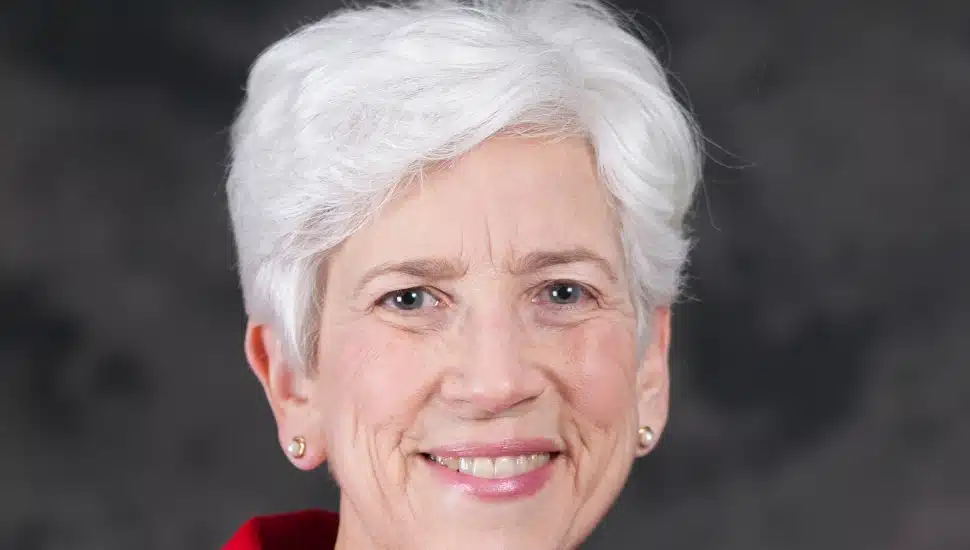
“Many of the innovations of the clinic have come from student ideas and from challenges,” said Robin Dole, Widener dean of the College of Health and Human Services. “It’s not carte blanche, but it is a partnership and without a partnership, we don’t have any authenticity to the culture.”
Today, 100 percent of physical therapy, occupational therapy, and speech-language pathology students participate in the clinic.
“They’re the difference makers. That’s the beauty of this model is, these students come in, work together, catch a vision, and advance it, leaving their own legacy,” said Jill Black, associate dean of the College of Health and Human Services.
The Widener University class of 2014 started a Pro Bono Physical Therapy Conference, a national network that meets annually at Widener University to advance graduate health science programs that advance student-run pro bono services.
At the time, most conferences focused on medical-based pro bono clinics, not rehabilitation care.
The network has grown to more than 100 participating institutions who collaborate on research, facilitate connections, and help foster new developing clinics.
Students in the class of 2015 then created The Pro Bono Network, an organization to facilitate the advancement of student-run pro bono services across the country.
Aaron Peffer’s pro bono experience began at the Chester Community Clinic. When he later relocated to the University of Kentucky Hospital, the Pennsylvania native was tapped by faculty interested in implementing Widener’s clinic model into its own pro bono physical therapy clinic, Samaritan’s Touch.
“They were looking to take what they already had established [at Samaritan’s Touch] and enhance it for the student experience,” Pfeifer said.
By 2024, Widener introduced three new graduate health science programs as part of its strategic vision to become an interprofessional powerhouse for health and human services.
The Speech-Language Pathology Clinic is an affiliate of the Chester Community Clinic, offering clients diagnostic and therapy services.
“The clinic has become a signature pedagogy for all of our health sciences programs. Having that as a central feature of the curriculum as we built new programs was really essential,” said Dole.
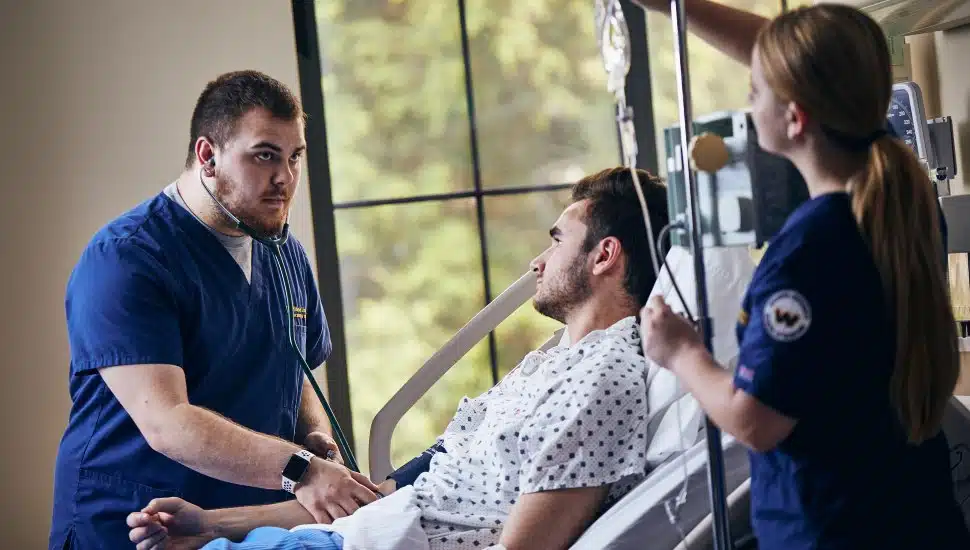
The Widener Community Nursing Clinic is the latest pro bono service to sit within the clinic as of fall 2024. As one of two clinics run by the School of Nursing, its presence in Wollman Hall increases the total number of in-house services available to clients.
Clients can receive holistic care under the Chester Community Clinic umbrella, with access to physical therapy, occupational therapy, speech-language pathology, nurse practitioner, clinical psychology, social work services, and more.
That integration bolsters cross-collaboration across programs, and emulates coordinated care used by clinicians.
Giving students an opportunity to work together in a clinical setting prepares them for the multifaceted environments that they can expect to enter across the healthcare system, according to Black.
“Our students are now not only getting to participate in their own clinical field as they serve, but they’re also doing it in collaboration with these other professional students. They’re learning about one another and from one another,” said Black.
Looking ahead, Dole and Black say the clinic’s future will be sustained by its mission and proven agility.
“The clinic is ever evolving,” said Black. “It doesn’t stay the same and it shouldn’t stay the same. The students who continue to come to Widener for their professional education will continue to improve upon the service and outreach within this Widener gem.”
Emily Barrett is the associate director of Communications for Widener University.