
Lansdowne Borough was once a home for the Lenapes until Europeans showed up after 1682 to settle William Penn’s colony, writes Sandy Smith for Philadelphia Magazine.
It was a farming village until the 1850s, when the Philadelphia and West Chester Railroad made it easier for middle-class city dwellers to escape a growing metropolis and settle out in the country.
The borough’s rural roots can still be found at the Dickenson Farmstead at 12 Owen Avenue built in 1732 in Lansdowne Park, one of two National Register historic districts in the town.
A giant sycamore at Wycombe and Lacrosse Avenues has grown there since 1640 and has become Lansdowne’s official symbol.
Lansdowne’s main street downtown on Lansdowne Avenue has shopping options like the Scrappy Cat, a “curiosity shop” and Kia’s Cakes, a café specializing in pastries and baked goods.
For restaurants, there’s Sophusion, offering international fusion.
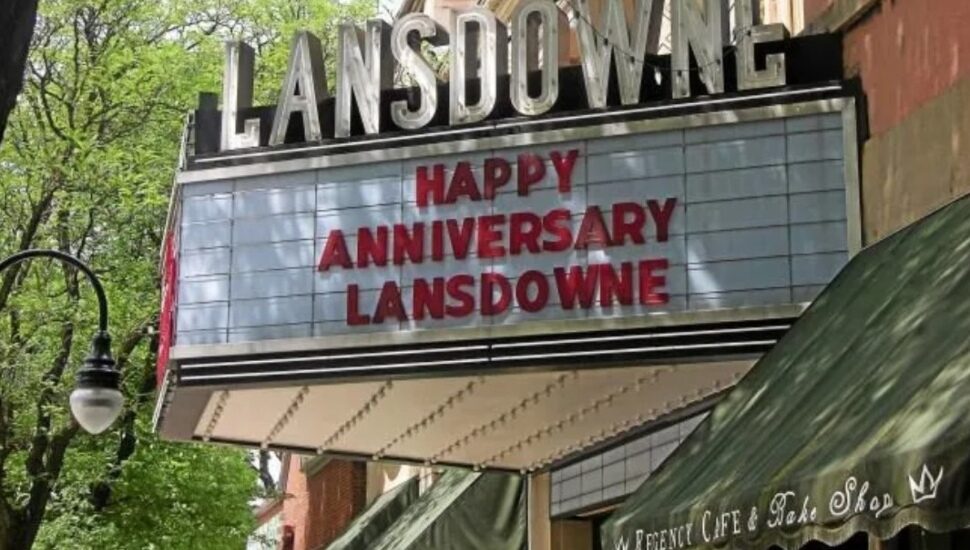
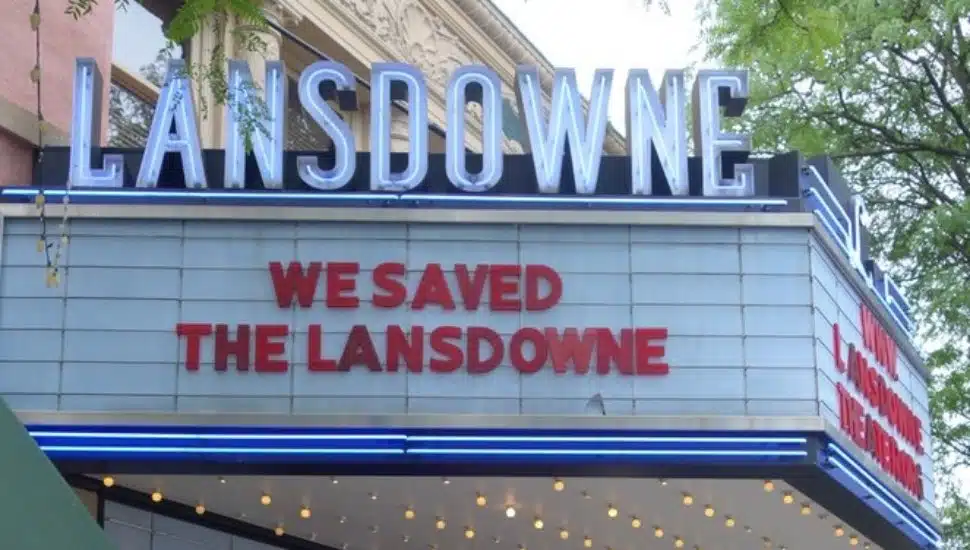
A performance center scheduled to open in the fall occupies the former 1927 Lansdowne Theater movie palace built by architect William Harold Lee.
Compass agent Sunny Pierce describes Lansdowne “a community of people looking to live a simple yet good existence in a town where they can feel safe.”
Read more about Lansdowne and see what housing options are available in the borough in Philadelphia Magazine.